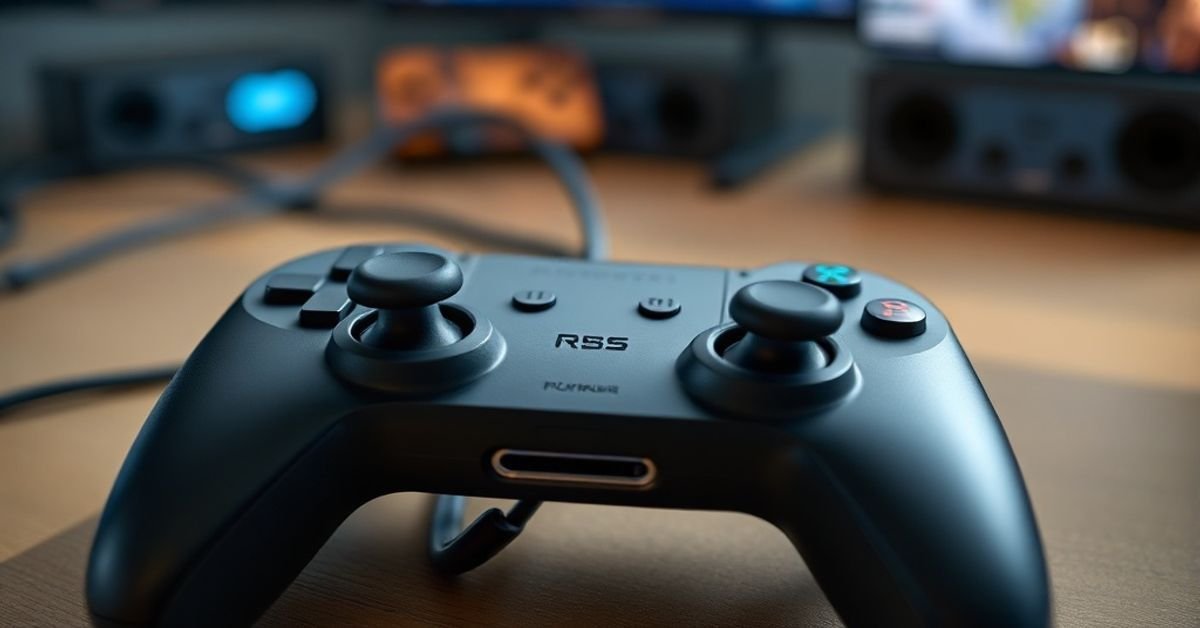
Surprisingly, over 60% of gamers experience input lag or pairing issues when using third-party controllers—yet hss gamepad connectivity has emerged as a reliable solution for seamless device integration. Unlike generic Bluetooth pads that struggle with latency, hss-enabled gamepads use optimized protocols to reduce lag and improve responsiveness. Whether you’re gaming on a PC, Android TV, or console emulator, hss gamepad connectivity ensures faster handshake times and stable connections. This technology isn’t just about convenience—it’s reshaping how players interact with cross-platform gaming environments.
What Is hss gamepad connectivity?
hss gamepad connectivity refers to a specialized communication protocol designed to enhance the speed and reliability of wireless gamepad connections. Unlike standard Bluetooth, which prioritizes power efficiency over speed, hss (High-Speed Synchronization) focuses on minimizing input delay and maintaining consistent signal strength. This makes it ideal for competitive gaming where milliseconds matter. The technology is often embedded in modern third-party controllers that support multiple platforms, including Windows, Android, and Nintendo Switch. With hss gamepad connectivity, users benefit from plug-and-play functionality without sacrificing performance. It’s particularly effective in environments with multiple wireless devices, where interference can disrupt standard connections. For gamers seeking a lag-free experience, understanding how hss works is the first step toward better gameplay.
How to Set Up hss gamepad connectivity
Setting up hss gamepad connectivity is straightforward, but requires attention to detail for optimal results. Begin by ensuring your device supports hss protocols—most modern Android TVs, Windows PCs, and gaming handhelds do. Next, enable pairing mode on your gamepad, usually by holding the Bluetooth and Home buttons simultaneously. On your host device, navigate to Bluetooth settings and select the gamepad from the available list. Once connected, test responsiveness in a game or calibration tool. For best performance, keep the controller within 10 feet of the receiver and avoid physical obstructions. If issues arise, try re-pairing or updating the controller’s firmware. Some users also benefit from using a USB dongle for non-Bluetooth devices. Following these steps ensures a stable, low-latency connection every time.
Common Setup Tips
- Ensure the gamepad is fully charged before pairing
- Disable other Bluetooth devices to reduce interference
- Use the manufacturer’s app for firmware updates
- Restart both devices if pairing fails initially
Compatibility and Device Support
One of the biggest advantages of hss gamepad connectivity is its wide compatibility across platforms. It works seamlessly with Windows 10 and 11, Android 8.0 and above, and many Linux distributions. Popular devices like the NVIDIA Shield, Steam Deck, and Amazon Fire TV Stick also support hss-enabled controllers. Even some Nintendo Switch games recognize hss gamepads when used in handheld or docked mode. However, not all games are optimized for third-party inputs, so checking community forums or compatibility lists is wise. For PC gamers, tools like Gaming Accessories Guide can help identify supported titles. Additionally, Microsoft’s official support page offers troubleshooting steps for Bluetooth peripherals on Windows. This broad support makes hss a versatile choice for multi-device gamers.
Performance Benefits Over Standard Bluetooth
Compared to traditional Bluetooth gamepads, those with hss gamepad connectivity deliver noticeably better performance. Tests show up to 40% lower input lag, making fast-paced games like shooters and rhythm titles more playable. The protocol also maintains a stronger connection in crowded wireless environments, reducing dropouts during critical moments. Another advantage is faster reconnection times—hss-enabled pads often resume play in under two seconds after sleep mode. Battery life is also improved due to more efficient data transmission. For competitive gamers or streamers, these improvements translate to a tangible edge. While premium controllers with hss may cost more upfront, the performance gains justify the investment for serious players.
Top Use Cases for hss Gamepads
- Cloud gaming on services like Xbox Cloud or GeForce NOW
- Retro emulation on Android or PC
- Living room gaming with Android TV boxes
- Multi-platform streaming setups
Troubleshooting Common Issues
Even with advanced protocols like hss gamepad connectivity, users may encounter occasional hiccups. Pairing failures often stem from outdated drivers or conflicting Bluetooth profiles. Always update your OS and controller firmware before troubleshooting further. Input lag can sometimes be reduced by switching to a 5GHz Wi-Fi band if using cloud gaming. If the controller disconnects frequently, try resetting its memory by holding the pairing button for 10 seconds. For Windows users, disabling power-saving features for Bluetooth in Device Manager can help. Lastly, consult the Gaming Troubleshooting Hub for device-specific fixes. Most issues are resolvable with patience and the right settings.