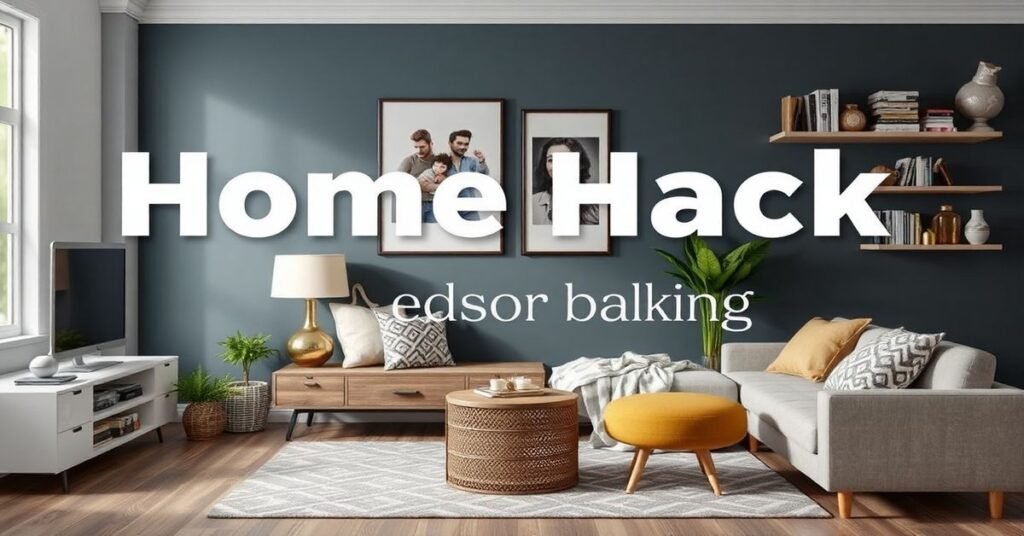
Most guides about home improvement focus on paint colors and throw pillows—superficial changes that barely scratch the surface. What they miss is how upgrades home decoradtech can fundamentally reshape your living experience by merging aesthetics with intelligent functionality. This isn’t just about looking good; it’s about creating spaces that respond to your lifestyle. Whether you’re renovating a single room or reimagining your entire home, integrating upgrades home decoradtech means blending design with innovation in ways that enhance comfort, efficiency, and visual appeal.
What Is upgrades home decoradtech and Why Does It Matter?
upgrades home decoradtech refers to the strategic integration of smart technology into interior design to elevate both form and function. It’s more than just installing voice-controlled lights—it’s about creating cohesive environments where technology feels seamless and intentional. From motorized window treatments that adjust based on sunlight to ambient lighting systems that sync with your mood, these upgrades transform static spaces into dynamic, responsive habitats.
Consider a living room where the lighting, temperature, and audio-visual systems are all controlled through a single interface. This level of integration not only improves convenience but also reduces energy consumption and enhances security. The key is choosing technologies that complement your decor rather than clash with it. For instance, hidden speakers, flush-mounted sensors, and minimalist control panels maintain clean lines while delivering powerful performance. Smart home trends in 2024 show a growing preference for invisible tech—devices that work quietly in the background without dominating the visual space.
Ultimately, upgrades home decoradtech matter because they future-proof your home. As IoT devices become more affordable and accessible, homes that embrace this fusion of design and technology will stand out for their innovation and comfort.
Top 5 Smart Upgrades That Elevate Your Interior Design
When planning your next home refresh, focus on upgrades that deliver both aesthetic and practical value. Here are five impactful upgrades home decoradtech solutions that blend seamlessly into modern interiors:
- Smart Lighting Systems: Replace traditional switches with dimmable, color-adjustable LED systems. Products like Philips Hue or LIFX allow you to set scenes for different times of day—energizing cool whites in the morning, warm tones in the evening.
- Motorized Window Treatments: Automated blinds and shades not only enhance privacy but also help regulate indoor temperature. Pair them with light sensors to open and close based on natural light levels.
- Integrated Audio Solutions: In-wall or ceiling-mounted speakers provide rich sound without clutter. Brands like Sonos and Bose offer models that disappear into the architecture.
- Climate Control with Smart Thermostats: Devices like the Google Nest or Ecobee learn your habits and adjust heating and cooling accordingly, saving energy and improving comfort.
- Touchless Faucets and Smart Mirrors: Especially useful in kitchens and bathrooms, these upgrades improve hygiene and add a futuristic flair.
Each of these upgrades supports a more intuitive, efficient home. The real magic happens when they’re coordinated—imagine your lights dimming, music starting, and blinds closing as you say, “I’m home.” This level of automation is no longer a luxury; it’s becoming the standard for modern living.
How to Choose the Right Technology for Your Space
Not all smart devices are created equal, and selecting the right ones requires thoughtful consideration. Start by evaluating your daily routines and identifying pain points. Do you struggle with inconsistent lighting? Are your energy bills too high? Answering these questions helps prioritize which upgrades home decoradtech will have the greatest impact.
Next, consider compatibility. Many smart home systems operate on different platforms—Apple HomeKit, Google Home, Amazon Alexa—so ensure your devices can communicate. A fragmented ecosystem leads to frustration, not convenience. Look for products with open standards or those certified for multi-platform use.
Also, think about installation and maintenance. Some upgrades, like smart switches, can be DIY-friendly, while others, such as whole-home audio, may require professional setup. Budget accordingly and factor in long-term savings—smart thermostats, for example, can reduce heating costs by up to 10–12% annually, according to the U.S. Department of Energy.
Finally, aesthetics matter. Choose devices with finishes that match your decor—matte black, brushed nickel, or white—and prefer models with minimalist designs. The goal is enhancement, not distraction.
Designing a Cohesive Aesthetic with Hidden Tech
One of the biggest challenges in implementing upgrades home decoradtech is maintaining visual harmony. The last thing you want is a sleek living room disrupted by bulky routers or exposed wires. The solution? Concealment and integration.
Start with cable management. Use raceways, in-wall conduits, or furniture with built-in channels to hide cords. For Wi-Fi routers, consider stylish enclosures or place them inside cabinets with ventilation. Many modern devices now support wireless power or battery operation, reducing clutter even further.
Then, think about placement. Smart sensors and cameras should be positioned discreetly—near door frames, under shelves, or within decorative elements. Some companies even offer custom covers that blend devices into wall art or mirrors.
Lighting is another area where design and tech converge. Recessed smart bulbs, LED strip lighting under cabinets, or color-changing cove lighting can create ambiance without visible fixtures. These subtle touches elevate the mood of a room while showcasing your attention to detail.
Remember, the best technology is the kind you don’t notice—until you need it.
Future-Proofing Your Home with Scalable Systems
Technology evolves rapidly, so your upgrades home decoradtech should be designed to grow with you. Choose systems that support software updates and allow for expansion. For example, a smart hub that currently controls lights and locks could later integrate security cameras, air quality monitors, or even robotic vacuums.
Modular designs are ideal. Instead of overhauling your entire setup every few years, add components incrementally. Start with a central hub and a few key devices, then expand based on needs and budget. This approach reduces upfront costs and minimizes waste.
Also, consider data privacy and security. Always change default passwords, enable two-factor authentication, and keep firmware updated. A smart home is only as strong as its weakest link.
Looking ahead, trends like AI-driven personalization and voice-first interfaces will redefine how we interact with our environments. By investing in flexible, secure platforms today, you ensure your home remains cutting-edge for years to come. For more insights on sustainable home tech, visit eco-friendly home solutions.