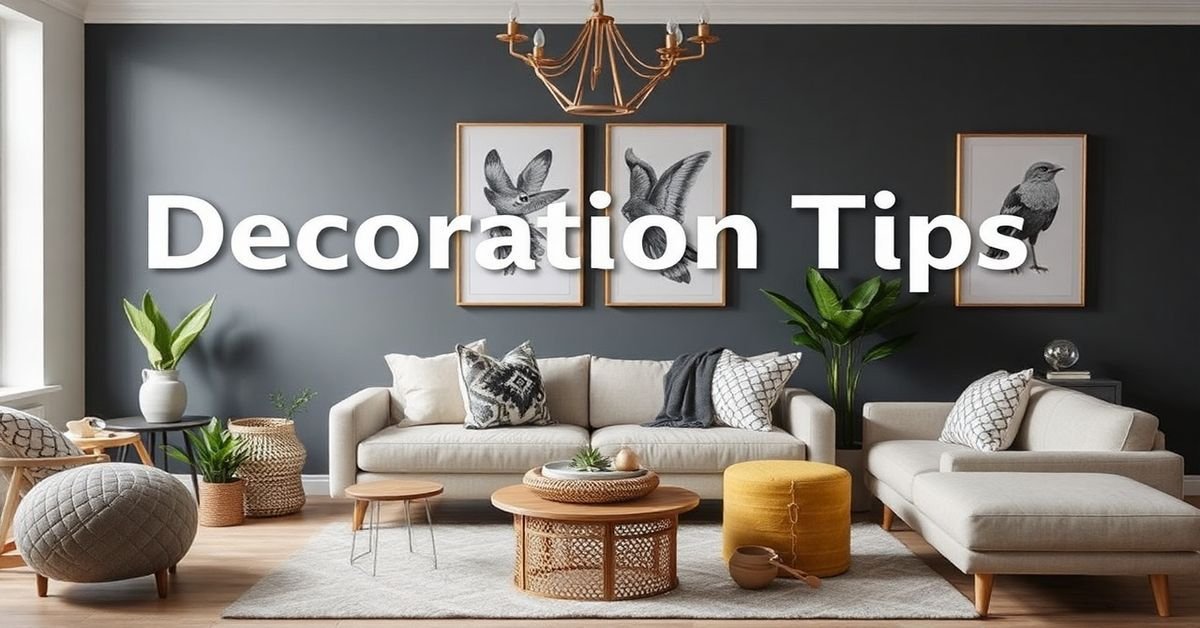
Did you know that 73% of homeowners overspend on home decor due to avoidable design mistakes? Most people assume that expensive furniture and trendy accessories are the keys to a beautiful home—but the truth is, poor planning and misapplied styling techniques waste more money than any single purchase. That’s where decoration tips decoradhouse from decoratoradvice come in: a curated, practical approach to interior design that prioritizes function, flow, and personal expression over fleeting trends. Whether you’re refreshing a single room or redesigning your entire home, these expert-backed strategies help you avoid common pitfalls and create spaces that feel both stylish and livable.
Why Most Home Decor Fails—And How decoration tips decoradhouse from decoratoradvice Fix It
Many homeowners fall into the trap of buying decor items in isolation, without considering how they work together in a cohesive space. This leads to cluttered rooms, mismatched color palettes, and furniture that doesn’t suit the room’s scale. The result? A home that looks disjointed and feels uncomfortable. decoration tips decoradhouse from decoratoradvice emphasize a holistic design philosophy—starting with a clear vision, measuring spaces accurately, and selecting pieces that complement both the architecture and your lifestyle. For example, instead of purchasing a bold accent wall on impulse, these tips guide you to test colors in different lighting conditions and consider how the hue interacts with existing furnishings. This method prevents costly repaints and ensures long-term satisfaction. Additionally, decoration tips decoradhouse from decoratoradvice stress the importance of layering textures and lighting to add depth and warmth, transforming flat, lifeless rooms into inviting environments. By following a structured process—assess, plan, source, style—you reduce decision fatigue and emotional spending. It’s not about perfection; it’s about intentionality. When every item has a purpose and a place, your home naturally feels more harmonious and reflective of your personality.
Common Mistakes These Tips Help You Avoid
- Buying oversized furniture that overwhelms small spaces
- Ignoring natural light when choosing paint colors
- Over-accessorizing without a unifying theme
- Neglecting storage solutions in favor of aesthetics
- Following trends without considering long-term appeal
How to Use decoration tips decoradhouse from decoratoradvice to Maximize Small Spaces
Small spaces present unique challenges—limited square footage can make rooms feel cramped, dark, or chaotic if not designed thoughtfully. However, with the right strategies, even a 400-square-foot apartment can feel spacious and luxurious. decoration tips decoradhouse from decoratoradvice offer proven techniques for maximizing functionality and visual flow in compact areas. One key principle is the use of vertical space: installing floating shelves, tall bookcases, or hanging plants draws the eye upward, creating the illusion of height. Mirrors are another powerful tool—strategically placed, they reflect light and double the perceived size of a room. For instance, positioning a large mirror opposite a window amplifies natural light and opens up the space. Furniture selection is equally critical. Opt for multi-functional pieces like storage ottomans, sofa beds, or nesting tables that adapt to different needs. Light-colored walls and consistent flooring also contribute to a seamless, airy feel. decoration tips decoradhouse from decoratoradvice also recommend minimizing visual clutter by sticking to a limited color palette and using concealed storage. This doesn’t mean sacrificing style—minimalism, when done right, enhances elegance. By focusing on proportion, balance, and smart organization, you can transform tight quarters into serene, functional retreats.
Top 5 Space-Saving Hacks from decoratoradvice
- Use furniture with exposed legs to create visual airiness
- Choose glass or acrylic tables to reduce visual weight
- Incorporate built-in storage under stairs or in walls
- Hang curtains high and wide to make windows appear larger
- Limit decor to a few statement pieces per room
Creating a Cohesive Color Palette Using decoration tips decoradhouse from decoratoradvice
Color is one of the most influential elements in interior design—it affects mood, perception, and even the sense of space. Yet, many people struggle to choose a palette that feels unified across rooms. decoration tips decoradhouse from decoratoradvice simplify this process by advocating for a 60-30-10 rule: 60% dominant color (walls, large furniture), 30% secondary color (upholstery, rugs), and 10% accent color (pillows, art, decor). This formula ensures balance and prevents visual overload. Start by selecting a neutral base—soft whites, warm grays, or beige tones—that serves as a backdrop for bolder accents. Then, choose two complementary colors that reflect your personality and lifestyle. For example, a coastal-inspired home might use navy and seafoam green, while a modern urban space could feature charcoal and mustard yellow. Always test paint samples on multiple walls and observe them at different times of day. Lighting dramatically affects how colors appear, so what looks perfect at noon might feel gloomy at night. decoration tips decoradhouse from decoratoradvice also encourage the use of nature-inspired palettes, which are naturally harmonious and calming. Incorporating organic materials like wood, stone, and linen further enhances the connection between color and texture, creating a layered, inviting atmosphere.
Lighting Strategies That Transform Any Room
Lighting is often overlooked, yet it’s one of the most transformative elements in home decor. Poor lighting can make even the most beautifully furnished room feel dull and unwelcoming. decoration tips decoradhouse from decoratoradvice emphasize a layered lighting approach: ambient (overhead), task (focused), and accent (decorative). Ambient lighting provides overall illumination—think ceiling fixtures or recessed lights. Task lighting supports specific activities, such as reading lamps beside a chair or under-cabinet lights in the kitchen. Accent lighting highlights architectural features, artwork, or plants, adding drama and depth. For example, wall sconces or picture lights can draw attention to a gallery wall, while LED strips under shelves create a modern glow. Dimmers are essential—they allow you to adjust brightness based on the time of day and mood. Natural light should also be maximized: use sheer curtains, avoid heavy drapes, and keep windows unobstructed. Mirrors and reflective surfaces bounce light around the room, enhancing brightness. By thoughtfully combining these layers, you create a dynamic, adaptable environment that feels both functional and luxurious.
Where to Find More Expert Guidance
If you’re ready to elevate your home with professional-grade design insights, explore more resources at readlix.co.uk home decor trends for seasonal inspiration and in-depth guides. For authoritative information on color theory and design principles, refer to Britannica’s comprehensive color guide, which explains the science and psychology behind color choices. These external references, combined with decoration tips decoradhouse from decoratoradvice, provide a well-rounded foundation for confident, informed decorating decisions.