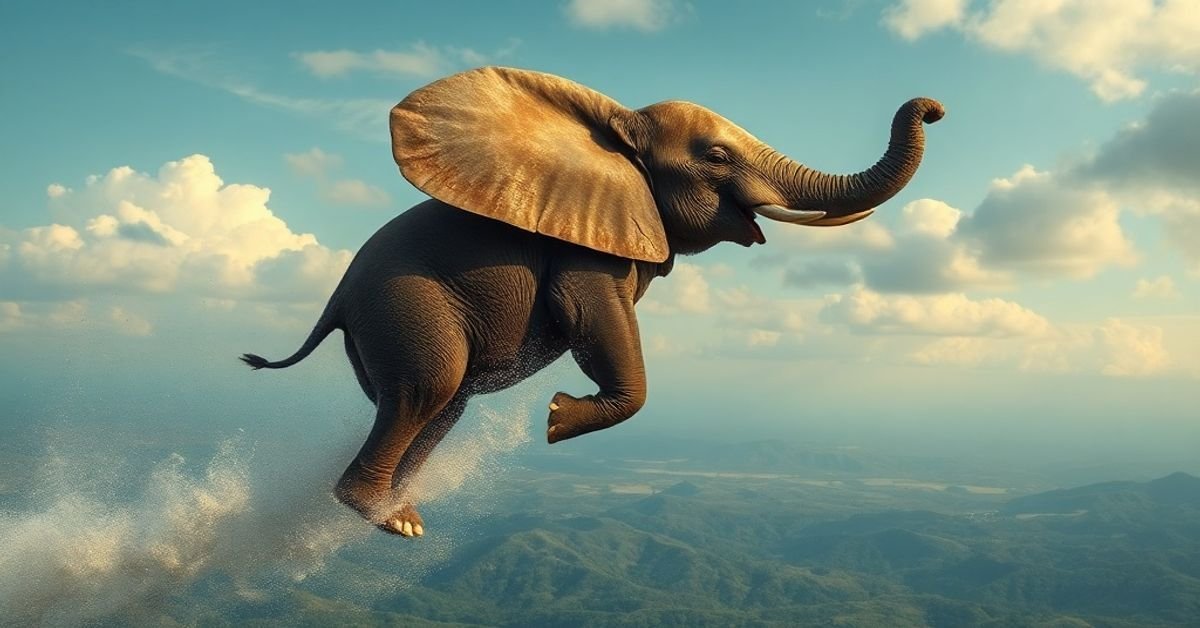
Most people assume Olympic champions write memoirs to celebrate victories—trophies, records, gold medals. But the flying elephant memoirs of an olympic champion reveal a deeper truth: it’s not about the podium, it’s about the pain, doubt, and quiet moments that shaped the journey. Too many athletes make the mistake of focusing only on performance stats, ignoring the emotional arc that resonates with readers. This narrow approach doesn’t just weaken their story—it erases their legacy.
Why the flying elephant memoirs of an olympic champion Matter Beyond the Podium
Olympic champions are often seen as superhumans—flawless, relentless, untouchable. But the flying elephant memoirs of an olympic champion dismantle that myth by exposing the vulnerability behind the victory. These stories don’t just recount races or routines; they explore identity, sacrifice, and resilience. Consider how a gymnast describes the fear before a vault, or a swimmer recalls the loneliness of 5 a.m. training sessions. These moments humanize excellence. When athletes skip this emotional layer, their memoirs become press releases, not transformative narratives. Readers connect with struggle, not statistics. A gold medal fades; a story of overcoming doubt lasts generations.
The Hidden Cost of Skipping the Inner Journey
Athletes who treat memoir writing as a highlight reel miss the core purpose: legacy. Without introspection, their stories lack depth. For example, a sprinter might list times and medals but fail to explain how anxiety nearly ended their career. That omission leaves readers uninspired. The flying elephant memoirs of an olympic champion succeed when they blend physical achievement with psychological insight. This balance is rare. Many ghostwritten sports books read like training logs. To avoid this, champions should ask: What did I lose? What did I fear? How did I change? These questions unlock authenticity. A sports memoir without emotional truth is like a body without a soul—strong, but empty.
Common Mistakes in Athletic Memoir Writing
- Focusing only on wins and records
- Ignoring setbacks and failures
- Using clichés like “hard work pays off” without context
- Neglecting relationships with coaches, family, or teammates
- Writing in a detached, third-person tone
How to Craft a Memoir That Lasts
To write a memoir that endures, champions must embrace vulnerability. Start by mapping key emotional turning points—not just events. Did a loss spark growth? Did injury redefine purpose? Use specific scenes: the smell of chlorine before a race, the sound of a crowd’s silence after a fall. These details ground the story in reality. The flying elephant memoirs of an olympic champion gain power through specificity. Also, consider narrative structure. A chronological retelling feels flat. Instead, use thematic chapters—fear, discipline, identity—to guide the reader. For deeper insight, explore resources on memoir writing techniques. And remember: your story isn’t just about sport. It’s about becoming human under pressure.
Elements of a Compelling Sports Memoir
- A clear emotional throughline
- Authentic voice and personal reflection
- Vivid, sensory descriptions
- Honest portrayal of failure and doubt
- Connection to broader human themes
Learning from Real Olympic Narratives
Great examples exist. Michael Phelps’ memoir discusses depression and redemption, not just medals. Simone Biles’ openness about mental health reshaped how we view athletic strength. These stories resonate because they’re real. The flying elephant memoirs of an olympic champion follow this model: they don’t hide the cracks. They show how pressure forged resilience. According to the National Institutes of Health, athletes who process trauma through storytelling experience better mental health outcomes. This isn’t just about books—it’s about healing. When champions share their full journey, they inspire not just future athletes, but anyone facing adversity. Their legacy becomes a roadmap, not a trophy case.